 WhatsApp
  USA +1 713 832 1035
  Site search


Investment in Vineyards. Where Global Real Estate Meets Wine Culture
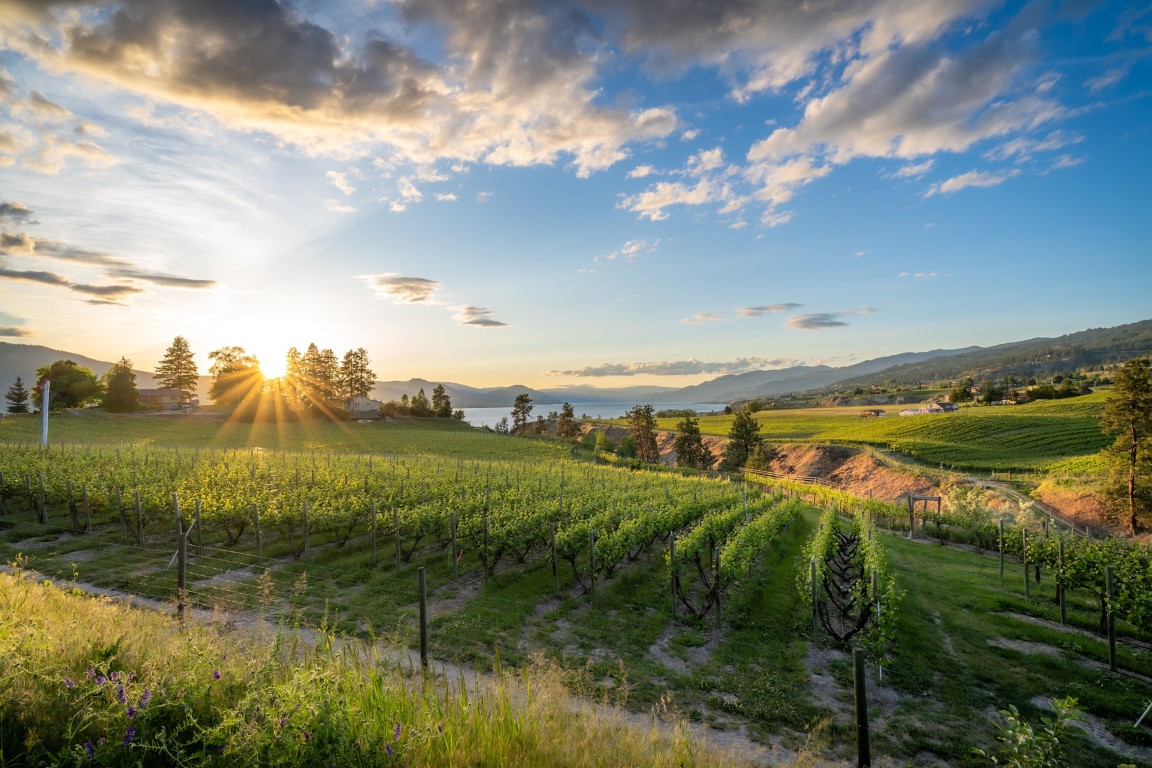
Investment in vineyards has evolved beyond agriculture into a refined lifestyle strategy that blends land stewardship, hospitality potential, and long-term value. Seasoned buyers often view vineyard estates as multidimensional assets, where design, setting, and production converge. From Napa Valley’s legacy estates to emerging wine regions in Mexico, vineyard ownership now reflects a global approach to living and investing well.
These specific properties are no longer defined solely by square footage, but by how they perform as lifestyle assets. Vineyards offer tangible productivity, architectural distinction, and a setting that supports both private living and curated guest experiences.
Vineyard Estates as Global Lifestyle Investments
Across the world’s premier wine regions, vineyard properties attract buyers seeking diversification with character. These estates typically combine residential architecture, operational vineyards, and hospitality zoning, allowing owners to shape them as private retreats, boutique wineries, or destination venues.
Key attributes buyers prioritize include:
- Meticulously crafted residences integrated into the landscape
- Expansive views over cultivated land and natural preserves
- Contemporary finishes paired with traditional materials
- Zoning that supports tasting rooms, events, or small-scale production
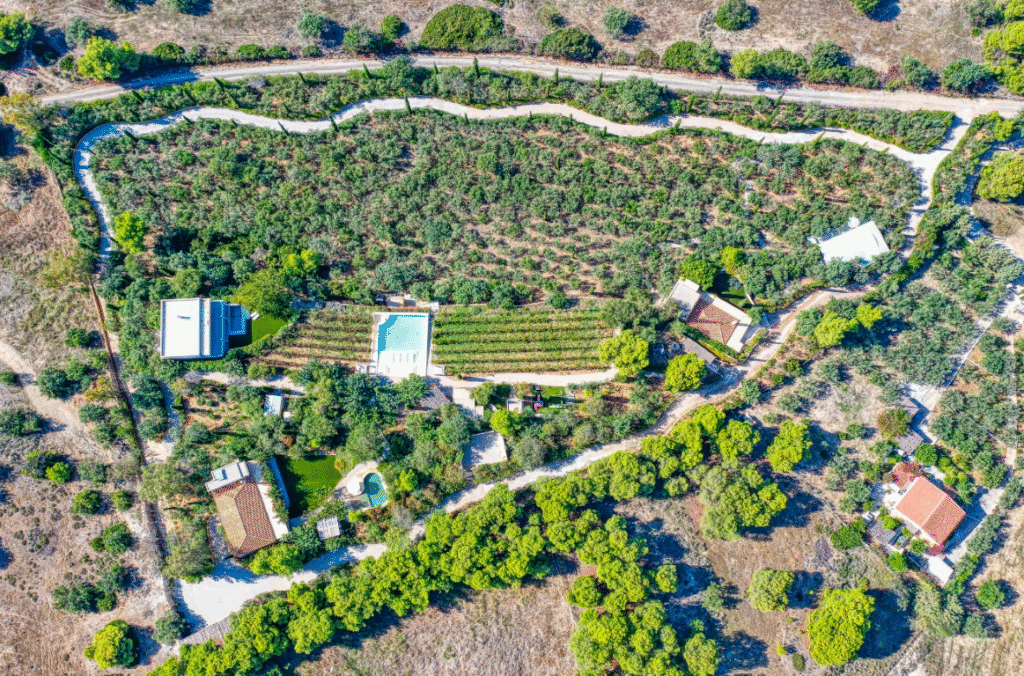
Internationally, vineyard estates in regions such as Tuscany, Mallorca, and Greece have demonstrated how design-forward homes can coexist with working vineyards. These properties emphasize discretion, environmental responsibility, and long-term land value rather than short-term yield alone.
Explore how vineyard estates worldwide merge luxury living with winemaking tradition.
Sonoma & Napa Valley: Proven Models of Performance
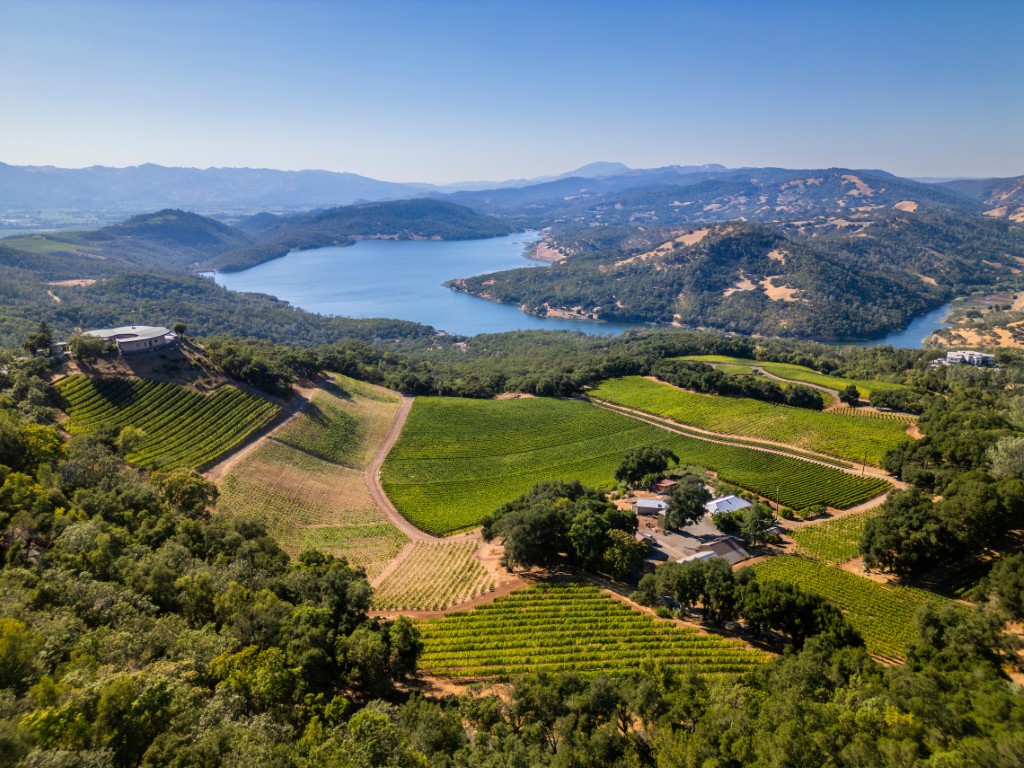
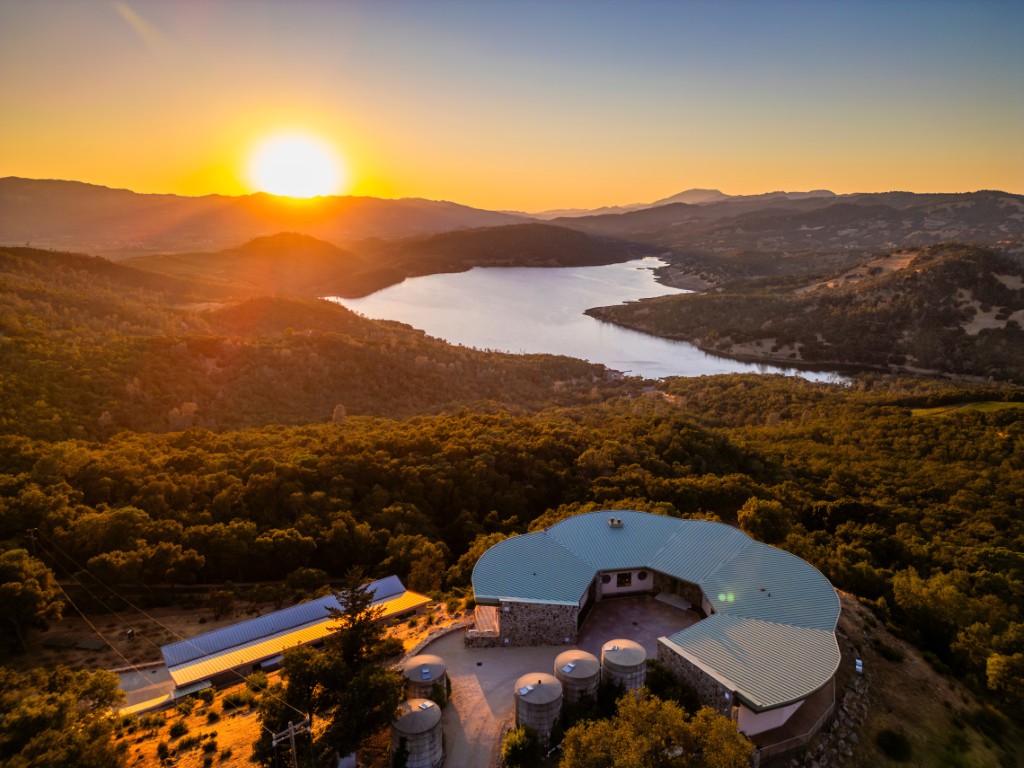
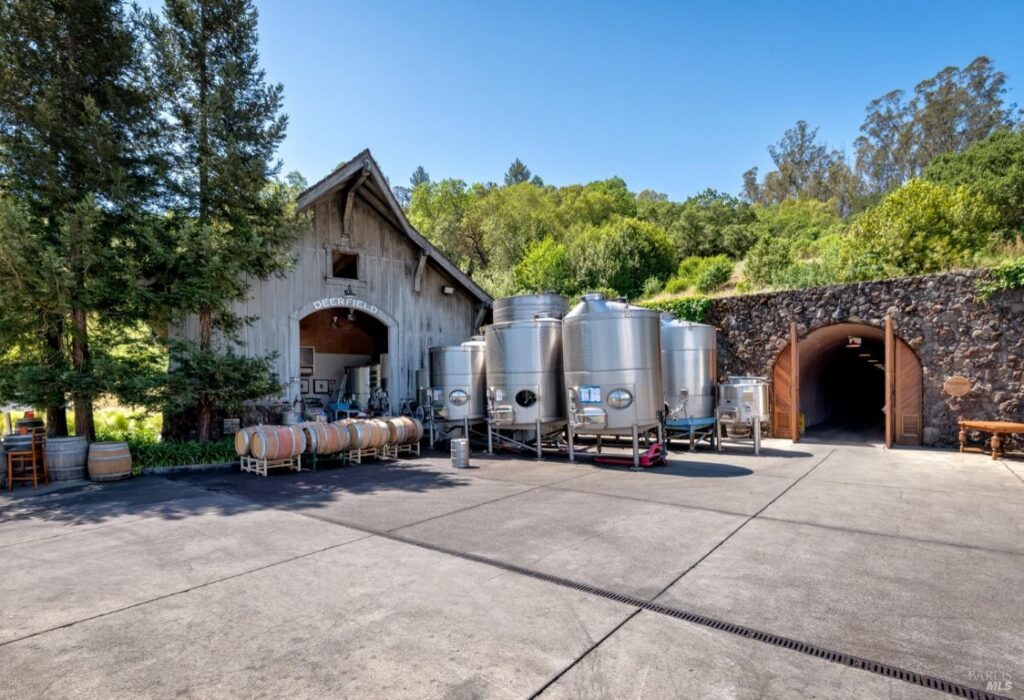
In the United States, Sonoma County and neighboring Napa Valley remain benchmarks for vineyard investment strategy. These regions show how production capacity, branding, and experiential design work together to support long-term asset value. A current listing with Engel & Völkersin Sonoma Valley illustrates this balance. Established in 1982, the estate spans more than 27 acres with certified organic vineyards and a substantial production facility. It features a 23,000-square-foot wine cave with tasting rooms designed to host guests comfortably, and holds permits for public tastings and annual events. What makes this example especially relevant to investors is scalability. Production could expand significantly while maintaining sustainability standards. The property includes well and spring water access under easement on an adjoining 20-acre parcel and maintains long-term vineyard contracts, supporting operational continuity.
Mexico’s Wine Regions Enter the Global Conversation
Mexico’s wine industry is rapidly emerging, with Baja California producing the majority of the country’s wine. The Valle de Guadalupe near Ensenada has become the nation’s most recognized wine corridor, attracting chefs, architects, and boutique developers drawn to its fusion of gastronomy, design, and viticulture.
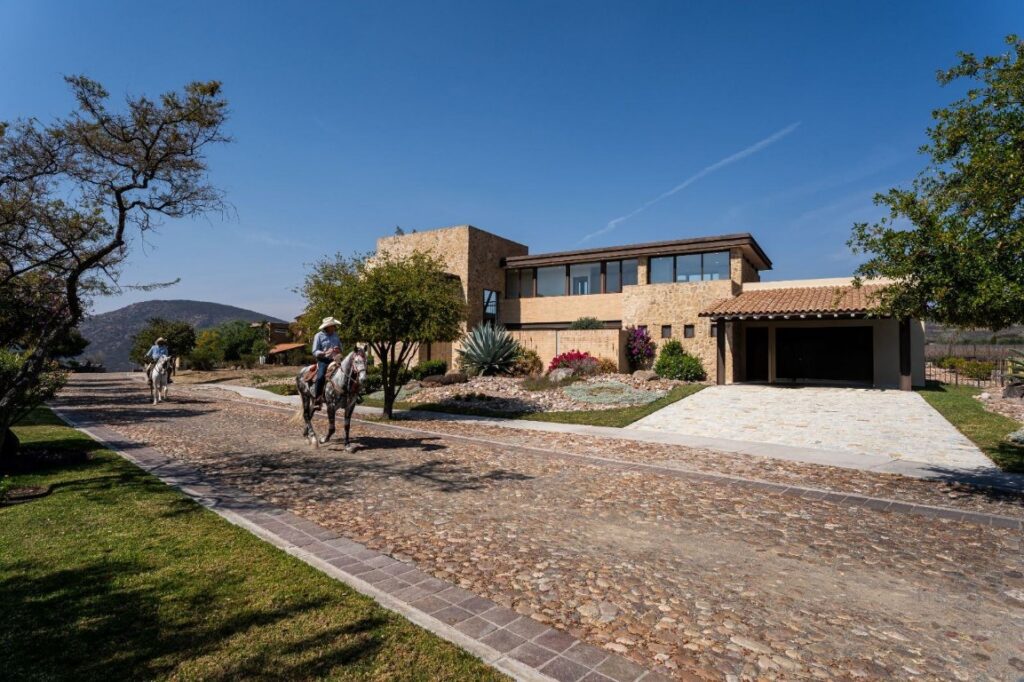
Beyond Baja, regions such as San Miguel de Allende are also gaining attention for their high-altitude vineyards, cultural richness, and growing appeal among lifestyle-driven buyers seeking a blend of heritage, design, and experiential real estate.
Mexico is also home to one of the oldest wineries in the Americas. Casa Madero, founded in 1597 in Coahuila, reflects the country’s deep-rooted winemaking heritage and its growing international relevance today.
Design-forward wineries in the Valle de Guadalupe often feature:
- Low-profile structures integrated into desert terrain
- Courtyards and terraces oriented toward vineyard rows
- Materials such as stone, wood, and raw concrete
- Indoor-outdoor transitions that frame mountain and coastal views
Together, these elements help position Mexico’s leading wine regions within a broader global dialogue around vineyard ownership—where architecture, setting, and production are conceived as a single lifestyle investment.
Notable Vineyard Estates Available Worldwide
Across established wine regions, vineyard estates continue to attract international buyers seeking legacy assets and lifestyle value. Current offerings include:
- France: Prestigious vineyard properties and châteaux for sale in Bordeaux and Provence with working vineyards and residential components.
- Italy: Wine estates in Tuscany and Piedmont featuring historic structures and opportunities for production and hospitality.
- Spain: Vineyards and wineries for sale in Rioja and other wine regions, offering combinations of land, production facilities, and residential space.
- United States: Napa Valley and Sonoma estates with established production history, tasting rooms, and hospitality infrastructure.
These properties appeal to buyers who value long-term land ownership paired with experiential potential and lifestyle integration.
Why Investment in Vineyards Resonates Today
Today’s global buyers seek assets that provide both enjoyment and resilience. Investment in vineyards satisfies this demand by offering:
- Physical land ownership with productive capacity
- Settings that support hospitality and private use
- A narrative of sustainability and craftsmanship
- Alignment with luxury tourism and culinary culture
Unlike traditional commercial properties, vineyard estates invite emotional connection. They are places to host, retreat, and participate in a heritage craft, while still functioning as structured investments.
A Global Pathway Through Engel & Völkers
For clients considering vineyard ownership, the global network of Engel & Völkers has a specialist vineyard advisory team allowing for buyers to explore vineyard estates and wineries worldwide.
From Napa Valley and Sonoma to Tuscany, Bordeaux, and select European and Mediterranean regions, Engel & Völkers works with clients to preserve their legacies and assets through strategic investment and development in the world’s most celebrated wine regions.
As global capital increasingly turns toward experiential assets, vineyard estates stand apart for their ability to unite land stewardship with elevated living. Investment in vineyards, when guided by location, design, and long-term vision, becomes more than a financial decision. It becomes a way of participating in a global culture shaped by place, tradition, and modern performance.
Share this post